
From the excitement of ringing the opening bell to the ongoing rhythm of regulatory reporting
Introduction: More Than Just Going Public
The IPO-to-20-F journey describes the transition foreign companies undergo from their initial public offering on U.S. exchanges to the ongoing annual compliance obligation of filing Form 20-F with the SEC. This journey involves pre-IPO preparation, the listing process itself, and continuous regulatory reporting that includes quarterly 6-K filings and comprehensive annual 20-F disclosures.
When companies celebrate their Initial Public Offering (IPO), the champagne and confetti mark just the beginning of a much longer journey. For foreign companies listing on U.S. exchanges, this journey leads to an annual milestone that's less glamorous but equally important: filing the Form 20-F.
Think of an IPO as getting your driver's license -- it opens new possibilities, but it also comes with ongoing responsibilities. The 20-F is the annual report equivalent: mandatory, detailed, and essential for staying listed. According to the SEC's Office of International Affairs, over 500 foreign private issuers from more than 40 countries maintain active listings on U.S. exchanges and file Form 20-F annually (SEC, 2024).
What Exactly Is This Journey?
The IPO-to-20-F journey encompasses two connected milestones for foreign companies entering U.S. capital markets. The IPO is the initial transformation from private to public status, granting access to American investors and liquidity. The Form 20-F is the annual report foreign private issuers must then file with the SEC, serving as the international equivalent of the domestic 10-K filing.
The IPO: Your Grand Entrance
An Initial Public Offering transforms a private company into a public one, allowing ordinary investors to buy shares for the first time. For foreign companies, this often means:
- Access to U.S. capital markets – representing over $46 trillion in total market capitalization (World Federation of Exchanges, 2024)
- Increased visibility and credibility in global markets
- Currency diversification and reduced dependence on home markets
- Enhanced ability to make acquisitions using publicly traded stock
Going public in the U.S. as a foreign company means complying with American rules, even if headquarters are in Tokyo, London, or São Paulo. As former SEC Chair Jay Clayton noted, "Our disclosure regime applies equally to foreign private issuers, and the quality of their filings directly affects investor confidence in our markets."
The 20-F: Your Annual Check-In
Form 20-F is the annual report that foreign companies must file with the Securities and Exchange Commission (SEC). It's the international equivalent of the 10-K that U.S. companies file, but with some unique twists that reflect the cross-border nature of these businesses.
The Complete Journey: A Step-by-Step Roadmap
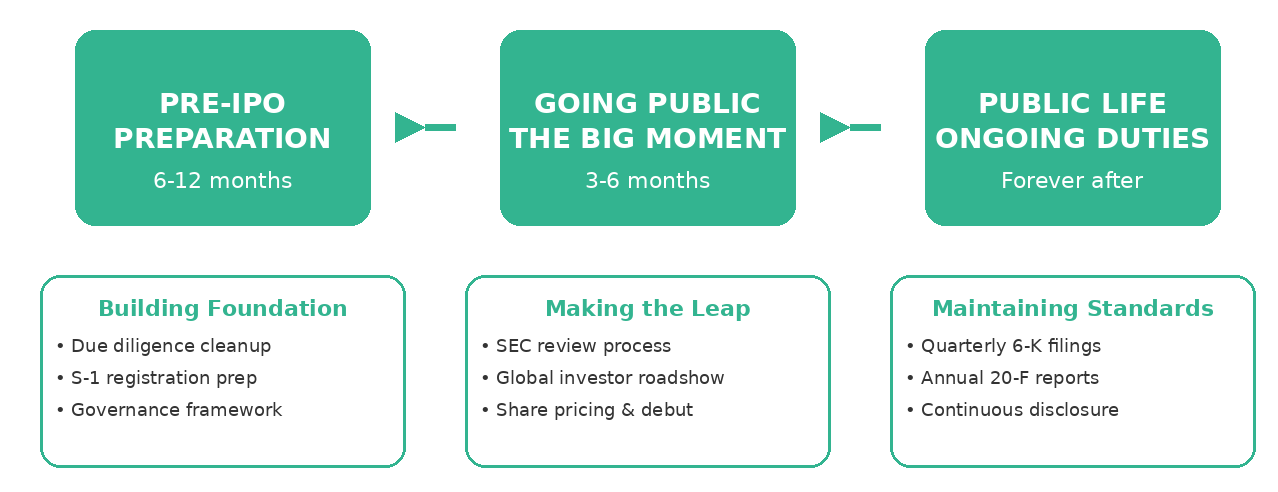
The IPO-to-20-F roadmap consists of three phases: pre-IPO preparation lasting 6 to 12 months covering financial audits, governance, and internal controls; the IPO process itself spanning 3 to 6 months including SEC review, roadshow, and pricing; and ongoing public company life requiring quarterly 6-K filings, annual 20-F reports, material event disclosures, and continuous investor relations.
Phase 1: Pre-IPO Preparation (6-12 months)
- Financial audit and cleanup: Ensuring books meet U.S. GAAP or IFRS standards
- **Corporate governance: **Establishing board independence and audit committees
- Internal controls: Building systems for Sarbanes-Oxley compliance
- **Registration statement: **Preparing the S-1 with detailed business disclosures
Phase 2: The IPO Process (3-6 months)
- **SEC review and comments: **Responding to regulatory feedback
- **Roadshow: **Presenting to institutional investors globally
- Pricing: Setting the initial share price
- **Trading debut: **The big day when shares start trading
Phase 3: Life as a Public Company (Ongoing)
- Quarterly reporting: 6-K forms for interim updates
- Annual 20-F: Comprehensive yearly disclosure
- Ongoing compliance: Material event reporting and insider trading rules
- Investor relations: Regular communication with shareholders and analysts
Deep Dive: Understanding Form 20-F
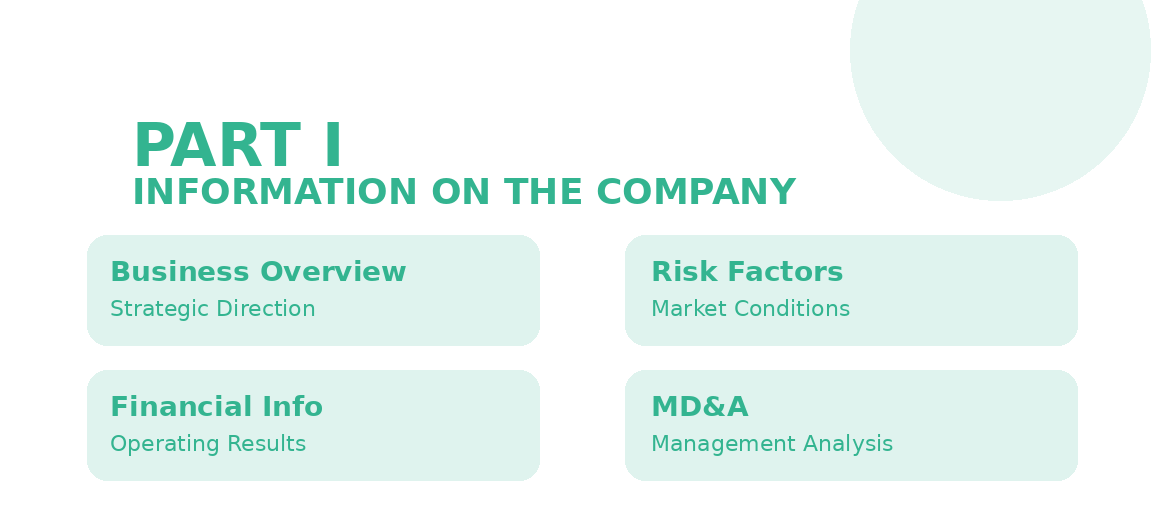
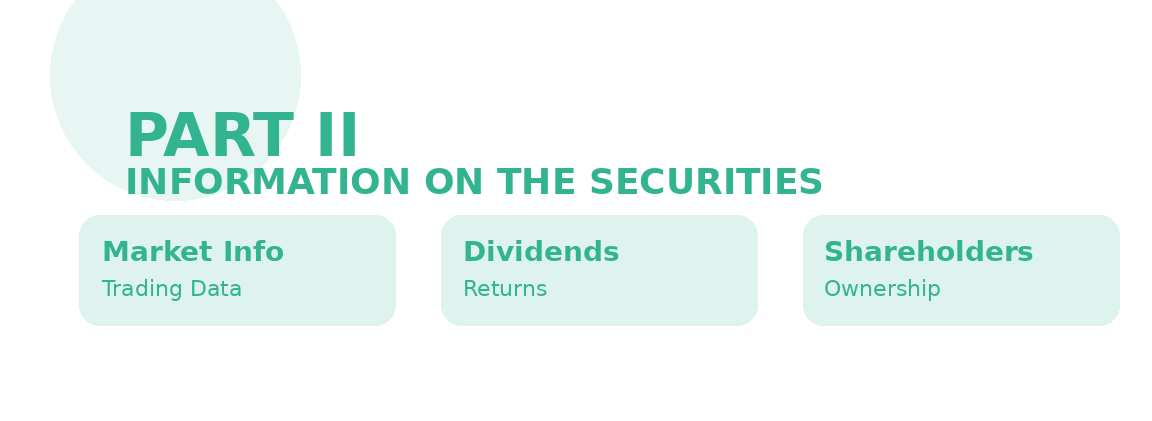
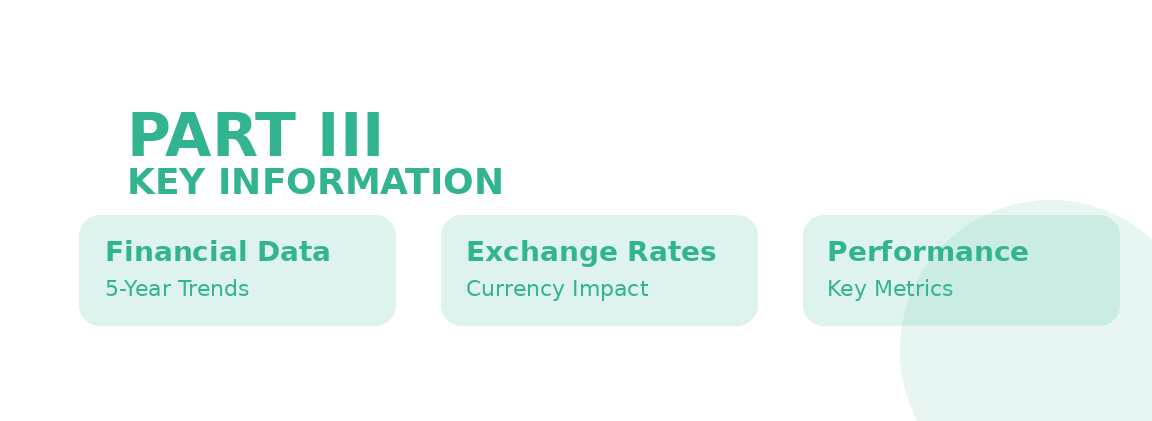
Form 20-F differs from the domestic 10-K in several important ways. Foreign private issuers receive extended filing deadlines of up to six months after fiscal year-end, may report using either U.S. GAAP or IFRS, and can explain how their home-country governance practices differ from U.S. norms. The form covers business operations, risk factors, financial statements, and corporate governance disclosures.
What Makes 20-F Special?
Unlike domestic U.S. companies that file 10-Ks, foreign filers get some flexibility with their 20-F:
- **Timing Flexibility: **While 10-Ks are due 60-90 days after year-end, 20-Fs can be filed up to 6 months after year-end, accommodating different reporting cycles globally.
- Accounting Standards: Companies can use either U.S. GAAP or International Financial Reporting Standards (IFRS), though they must reconcile differences.
- Cultural Accommodations: The form recognizes that corporate governance practices vary by country and allows explanations of how foreign practices differ from U.S. norms.
Key Sections of Form 20-F
The Real-World Challenges
Foreign companies filing Form 20-F face three primary challenges: translating complex financial and legal concepts accurately across languages, satisfying dual reporting requirements for both U.S. SEC and home-country regulators, and coordinating filing logistics across multiple time zones with geographically dispersed teams of auditors, counsel, and company officers.
Challenge 1: The Translation Trap
Companies must often translate complex financial and legal concepts from their native language. A mistranslation of a material contract term or accounting principle can trigger SEC inquiries. A KPMG study on cross-border reporting found that translation-related disclosures are among the top five reasons the SEC issues comment letters to foreign filers (KPMG, 2023).
Solution: Invest in specialized translation services and have bilingual financial experts review all translations.
Challenge 2: Dual Reporting Burden
Foreign public companies often must satisfy both U.S. SEC requirements and their home country regulations, which don't always align.
Solution: Build integrated reporting systems that capture data for both jurisdictions from the start.
Challenge 3: Time Zone Juggling
When your CFO is in Singapore, your auditors in New York, and your SEC counsel in Washington D.C., coordinating the 20-F filing becomes a logistical puzzle.
Solution: Establish clear timelines with buffer periods and use collaborative technology platforms.
Success Stories: Companies That Nailed the Journey
Several high-profile foreign companies have successfully navigated the IPO-to-20-F journey. Spotify adapted Swedish corporate culture to U.S. disclosure requirements through a direct listing in 2018, while Alibaba executed what was then the largest IPO in history in 2014, developing comprehensive risk disclosures addressing complex U.S.-China regulatory dynamics.
Case Study: Spotify (SPOT)
- Chose a direct listing instead of a traditional IPO in 2018
- Successfully adapted Swedish corporate culture to U.S. disclosure requirements
- Built an investor relations program bridging European and American expectations
Case Study: Alibaba (BABA)
- Executed the largest IPO in history at the time (2014)
- Navigated a complex Chinese regulatory environment while meeting U.S. standards
- Developed comprehensive risk disclosure addressing U.S.-China tensions
Practical Tips for Success
Foreign companies can improve their IPO-to-20-F transition by starting compliance preparation at least 18 months before listing, building robust financial reporting infrastructure early, hiring experienced SEC reporting professionals, over-communicating disclosures during the IPO process, and establishing standardized post-IPO filing templates and compliance calendars for recurring regulatory obligations.
Before the IPO
- Start early – Begin compliance preparation at least 18 months before going public
- Invest in systems – Build a robust financial reporting infrastructure from day one
- **Hire expertise **– Bring on experienced SEC reporting professionals
During the IPO Process
- Over-communicate – Provide more disclosure rather than less when in doubt
- **Practice presentations **– Rehearse roadshow presentations for different cultural audiences
- Plan for day one – Have post-IPO compliance procedures ready before trading begins
Post-IPO Excellence
- **Create templates **– Develop standardized processes for recurring filings
- Monitor changes – Stay updated on evolving SEC requirements and accounting standards
- Build relationships – Cultivate ongoing dialogue with SEC staff and investors
The Technology Factor
Technology plays a critical role in helping foreign filers manage the IPO-to-20-F journey efficiently. Cloud-based consolidation systems enable multi-country financial reporting, AI-powered translation tools ensure consistent terminology across filings, automated compliance calendars track deadlines across jurisdictions, and virtual data rooms facilitate secure document sharing among teams working across different time zones.
Modern successful foreign filers leverage technology throughout their journey:
- Cloud-based consolidation systems for multi-country financial reporting
- AI-powered translation tools for consistent terminology across filings
- Automated compliance calendars tracking deadlines across multiple jurisdictions
- Virtual data rooms enable secure document sharing across time zones
Looking Ahead: Future Trends
The regulatory landscape for foreign filers is evolving in two key areas. The SEC is expanding disclosure requirements around cybersecurity, climate-related financial risks, and supply chain transparency. Meanwhile, market dynamics are shifting with increased scrutiny of Chinese companies, growing ESG reporting expectations, and the emergence of SPACs as alternative pathways to public listing.
Regulatory Evolution
The SEC continues refining requirements for foreign filers, including the cybersecurity disclosure rules adopted in 2023 and the climate disclosure rules. SEC Chief Accountant Paul Munter has stated that "we continue to focus on ensuring that foreign private issuers provide investors with the same quality of disclosure as domestic registrants." Recent areas of focus include:
- Enhanced cybersecurity disclosures
- Climate-related financial risks
- Supply chain transparency
Market Dynamics
- Increased scrutiny of Chinese companies
- Growing interest in ESG (Environmental, Social, Governance) reporting
- Rise of SPACs as IPO alternatives
Embracing the Journey
The path from IPO to 20-F filing isn't just about regulatory compliance – it's about building a sustainable framework for transparent, accountable public company operations. Companies that view this journey as an opportunity to strengthen their business practices, rather than merely a compliance burden, tend to create lasting value for all stakeholders.
Success requires more than just checking regulatory boxes. It demands building robust systems, fostering clear communication, and maintaining the highest standards of corporate governance across multiple jurisdictions.
For foreign companies considering U.S. public markets, the IPO marks the beginning of the compliance journey, not the end. Mastering the ongoing 20-F process requires proper preparation, experienced guidance, and a commitment to consistent governance standards across multiple jurisdictions.